
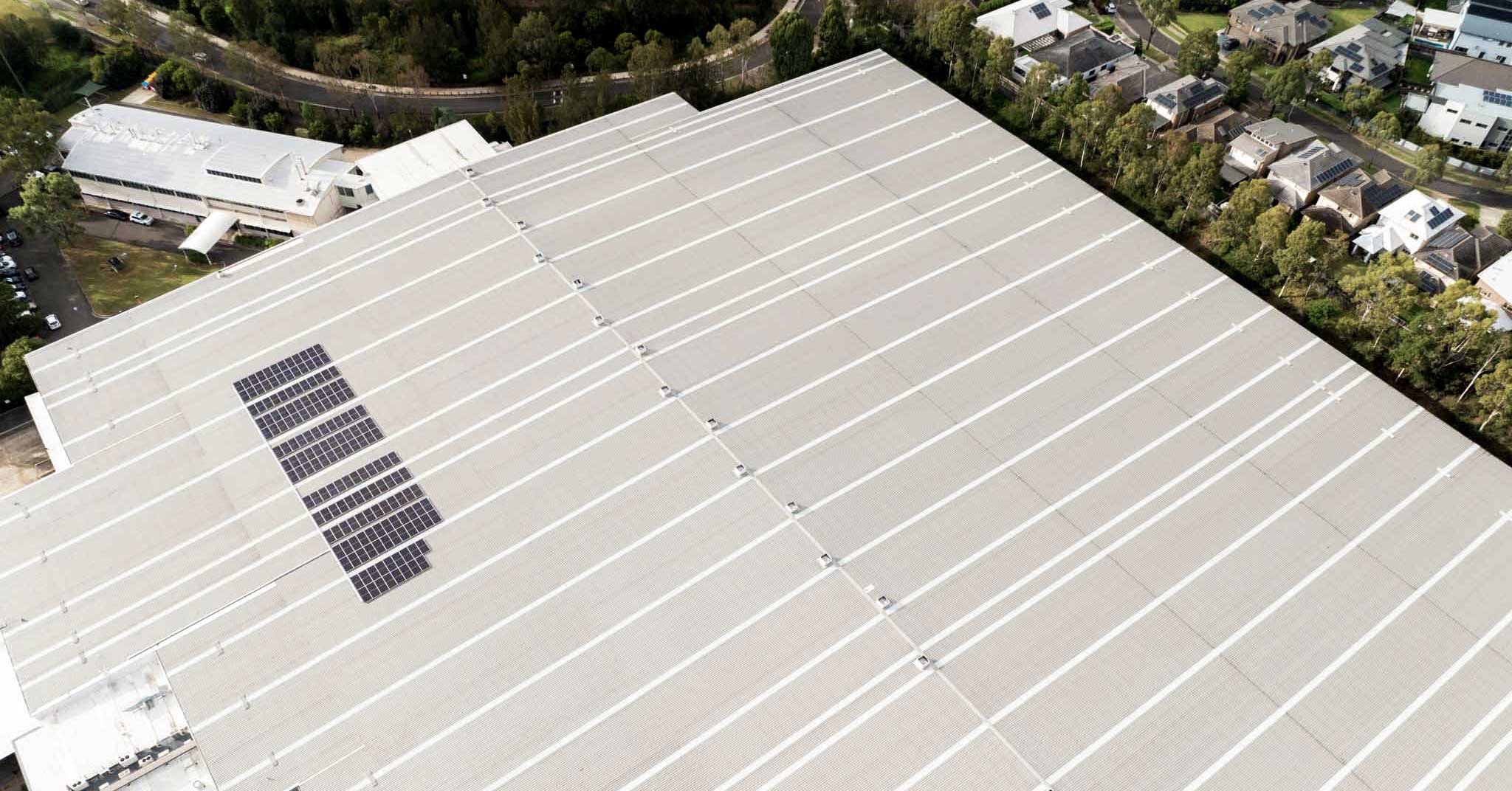
Sydney roofs deal with strong sun, sudden storms, wind-driven rain and, in many suburbs, heavy tree debris. Small defects in tiles, sheets, flashings or gutters can sit unnoticed until water finds a path indoors. This guide sets out the problems that show up most often, the signs that justify an inspection, how to think about repair versus replacement, and the questions that help you compare roofers on a like-for-like basis.
The most common roof problems
On tiled roofs, cracked, slipped or missing tiles, weathered ridge mortar and tired valley irons are everyday findings. Water often enters at a junction rather than through the middle of a sound tile.
On metal and Colorbond roofs, typical issues include lifted or fatigued sheets, failed fasteners, corroded valleys, split sealant at penetrations and flashings that have pulled away from walls or chimneys. A small hole at a screw line can wet a large ceiling area because water travels before it drips.
Gutters, downpipes, skylights, solar fixings and previous patch repairs are also frequent sources. After storms, displaced materials and impact from branches can open the covering even when the rest of the roof still looks serviceable from the street.
Signs you need a roof repair
Ceiling stains after rain, bubbling paint, damp insulation, mould around cornices and a musty roof-space smell are indoor clues. Outdoors, look for rust streaks, daylight through the covering, sagging gutters, loose ridge capping and granules or tile chips in the downpipes.
Intermittent drips that appear only in heavy or wind-driven rain still count. So do rooms that feel suddenly more humid after a storm. Do not climb onto a wet or damaged roof to investigate. Ground-level photos and a professional inspection are the safer next step.
- New or spreading ceiling stains
- Active drips during or after rain
- Loose, cracked or missing tiles or sheets
- Rusted valleys, leaking flashings or overflowing gutters
- Daylight visible in the roof space
- Storm debris sitting on the covering
Repair or replace
Repair is the practical path when defects are local, the surrounding covering is sound and matching materials are available. Replacing a run of tiles, dressing a flashing, sealing a penetration or restoring ridge mortar can close a leak without opening the whole roof.
Replacement or re-roofing enters the conversation when leaks keep returning, when large areas of covering are brittle or corroded, when battens or underlay have failed, or when repairs would cost more than a coherent new system. Age alone is not the test; condition and remaining service life are.
A make-safe can sit between those options after a storm: temporary protection to reduce further water entry until a permanent repair can be scoped in safer conditions.
Cost factors
Quotations vary because roofs vary. Height, pitch, access, material, the number of junctions and whether work can proceed from the roof or needs internal protection all change the labour and safety setup.
A cracked tile near the eaves is a different job from a leaking valley under solar panels. Hidden deterioration found once the covering is opened can also change the scope. A clear written quotation should state what is included, what is excluded and how unexpected findings will be handled, so you can compare proposals on the same basis.
- Roof type, pitch, height and safe access
- Extent of the defect and adjacent details
- Material matching, especially on older tiles
- Penetrations such as skylights, flues and solar arrays
- Temporary protection and internal making-good if needed
- Disposal and the condition found beneath the covering
How to choose a roofer
Start with an inspection, not a product. Ask the contractor to explain the likely cause, the proposed repair, the materials and the areas that will be left untouched. A photograph-only quote with no site visit is harder to rely on for leak work.
Compare like-for-like scopes. Check that licence details, public liability cover and safety setup are in order, and that the quotation is written rather than verbal. Local experience with tiled, terracotta, metal and Colorbond roofs in Greater Sydney helps, because detailing differs by covering and suburb exposure.
Be cautious of pressure to replace an entire roof when the findings have not been shown, and equally cautious of a cheap patch that does not address the junction that is actually leaking. A measured diagnosis is the useful middle path.
Frequently asked questions
Can a small roof leak wait until after winter?
Ongoing moisture can affect plaster, insulation and timber even when the stain looks minor. Temporary protection and a prompt inspection are safer than waiting for a dry spell.
Is a roof restoration the same as a repair?
No. A repair targets a defect. Restoration is a broader surface and detailing renewal on a roof that is still considered serviceable. They answer different conditions.
Do I need to replace the whole roof if several tiles are cracked?
Not necessarily. Isolated tile damage is often repaired. Widespread brittleness, failed valleys or deteriorated battens may push the decision toward a larger renewal.
What should a roof repair quotation include?
The likely cause, the work proposed, materials, access and safety setup, inclusions, exclusions and how extra findings will be priced. That makes comparisons fairer.
Should I go on the roof to find the leak myself?
No. Wet, brittle or storm-damaged coverings are a fall and further-damage risk. Record indoor symptoms from a safe place and arrange an inspection.